
A building on autopilot
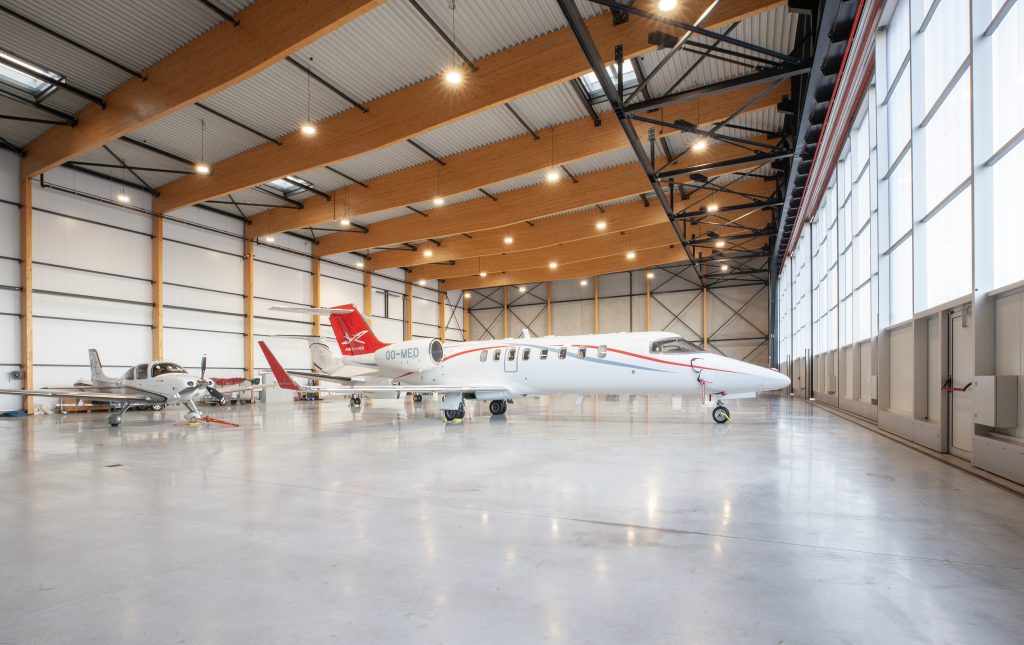
A hangar that holds its own climate, and a tarmac that secures its own access.
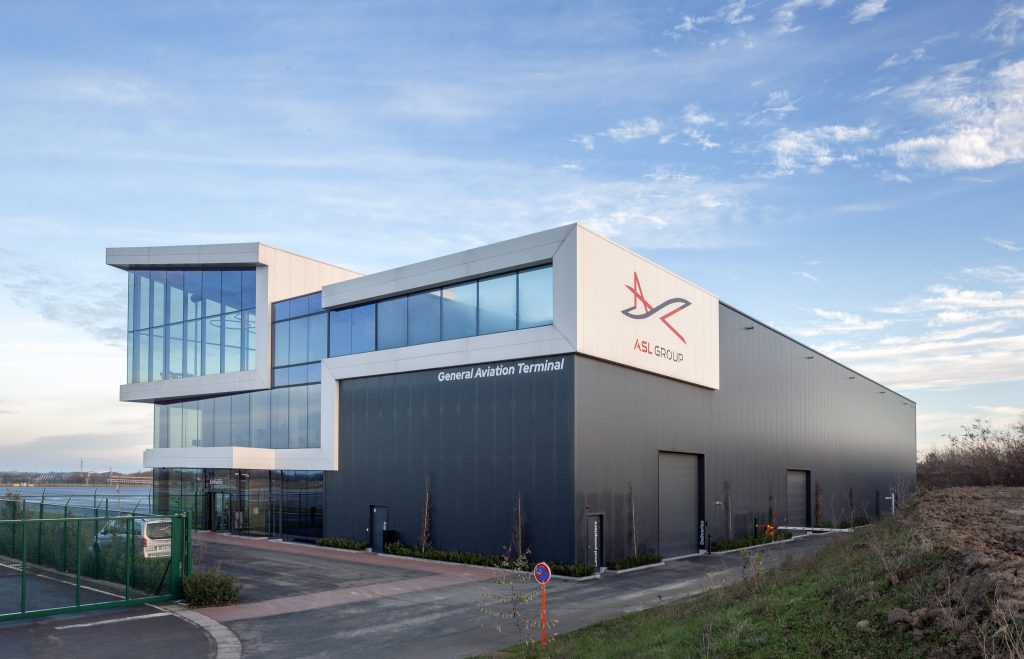
- A fully autonomous building that wakes and rests itself based on actual occupancy
- One open platform running climate, lighting, EV charging and nearly everything else on site
- Insulation and glazing already built to 2030 energy standards, with the monitoring data to prove the savings
- Issues caught and resolved remotely, often before anyone on site even notices
The challenge
ASL Group needed a new General Aviation Terminal at Liège Airport that could run 24/7 with almost no fixed staff, just one permanent employee and a pool of freelancers who only come in when a flight is due to arrive or depart. Nobody could be expected to walk through a lengthy start-up procedure every time, and the 900 m² office wing and 2,250 m² hangar needed climate, lighting and secured tarmac access to work as one system, not three separate ones.
What we did
We built the building around a single flowchart: the facility manager's own vision of exactly how the terminal should behave, translated directly into the control software. The moment someone enters, every system (heating, ventilation, lighting) wakes up on its own; once the building empties again, everything drops back to standby without anyone touching a switch. It all runs on one open, industrial control platform tying together climate, lighting and EV charging. The one exception is access control, which by design stays with the airport's own system.
How we delivered it
The platform was built with enough flexibility to double as a living lab from day one. New techniques and day-to-day feedback keep feeding back into the same software. Every control loop was tuned by hand rather than left on manufacturer defaults, right down to the intermediate steps most systems never expose, so the impact of any change can be measured directly instead of estimated.
Built as a living lab
The terminal isn't just automated. It's designed to keep evolving, with the facility manager's own feedback and new techniques feeding straight back into the same software.
Technical detail
One industrial PLC coordinates every signal on site (HVAC, lighting, electrical distribution, EV charging), brought together on an open platform that can absorb new protocols and devices without a redesign. Every control loop was reprogrammed by hand rather than run on manufacturer defaults, with even the intermediate steps monitored, so the impact of any change can be measured directly instead of estimated.
In daily use
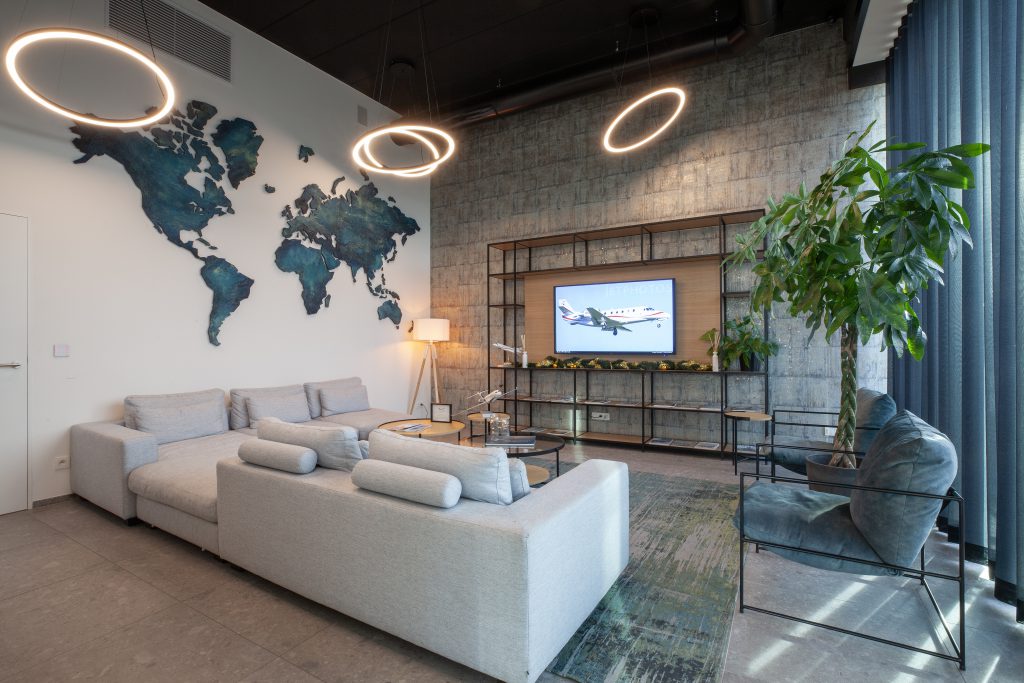
The building manages its own comfort and energy use around actual occupancy: guests typically spend only 5 to 10 minutes inside before a flight, so systems stay efficient by default, with a simple override for staff who need it warmer for longer. Every site runs to the same standardised structure, which lets the same platform share data, and eventually energy, across ASL Group's other locations too.

More projects
-

Corda Campus
Energy under control at Europe’s largest tech campus
10 buildings, 600+ meters, one data layer. Automatic billing with zero manual work.
See the project -
De Velinx
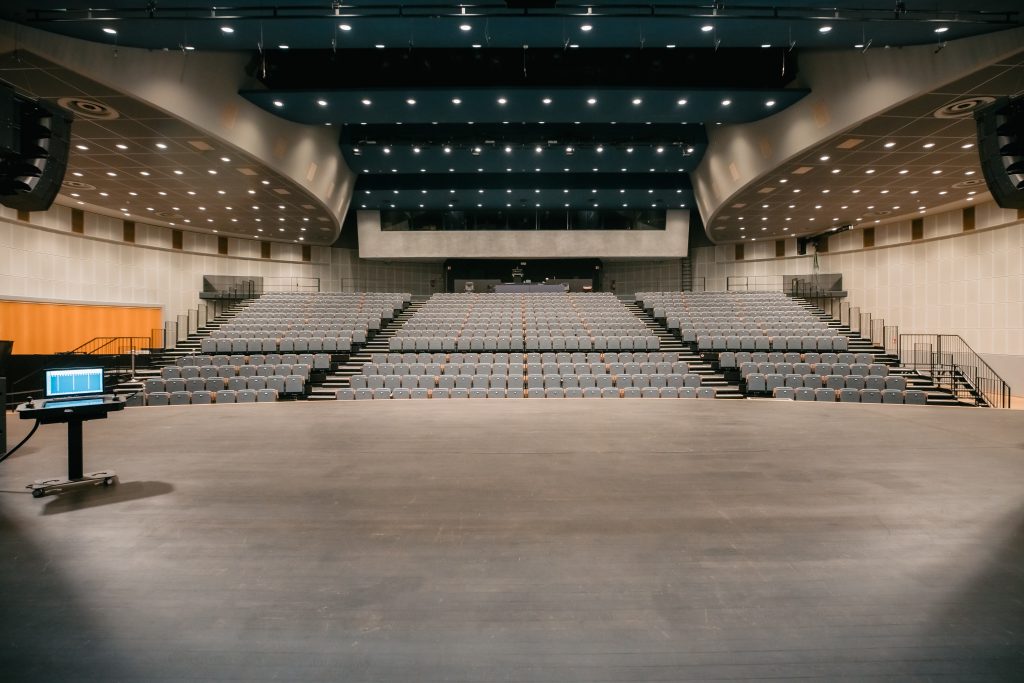
38 hoists, one button, six shows a week
38 stage hoists on one redundant controller, at double the previous load capacity and with no manual counterweighting before a show.
See the project -
SABCA
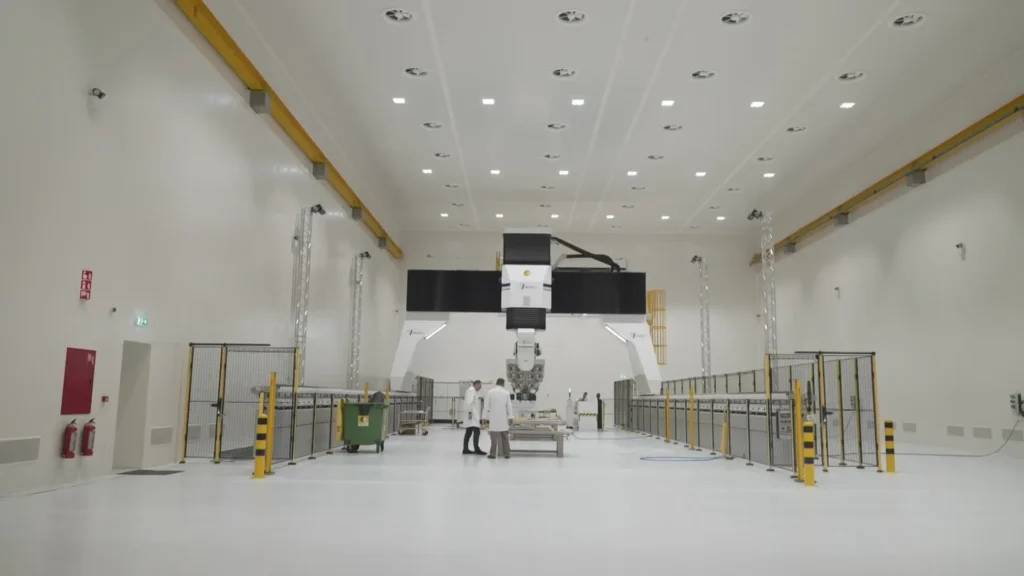
From machine to model
Machine, environment and inspection data joined in one neutral platform, so a process anomaly shows up during layup, not at final inspection.
See the project